

Documentation Index
Fetch the complete documentation index at: https://docs.tight.com/llms.txt
Use this file to discover all available pages before exploring further.
Overview
Tight integrates directly with Amazon S3 to periodically upload raw accounting data to your own S3 buckets. By pushing data into your S3 infrastructure, Tight eliminates the need for your data team to build direct connections to the Tight API, allowing your team to work in the data stack they’re already using. Data is exported in Parquet file format on daily, weekly, or monthly intervals, including bank linkage data, invoices, lifecycle events, and transactions. Learn more about available data types and use cases in the Data Lakes guide.Create an Amazon S3 Bucket
If you haven’t done so already, create an AWS account and set up an S3 bucket where Tight will upload your data. You can name this bucket anything you’d like; “tight-api-data” is used for the examples shown below.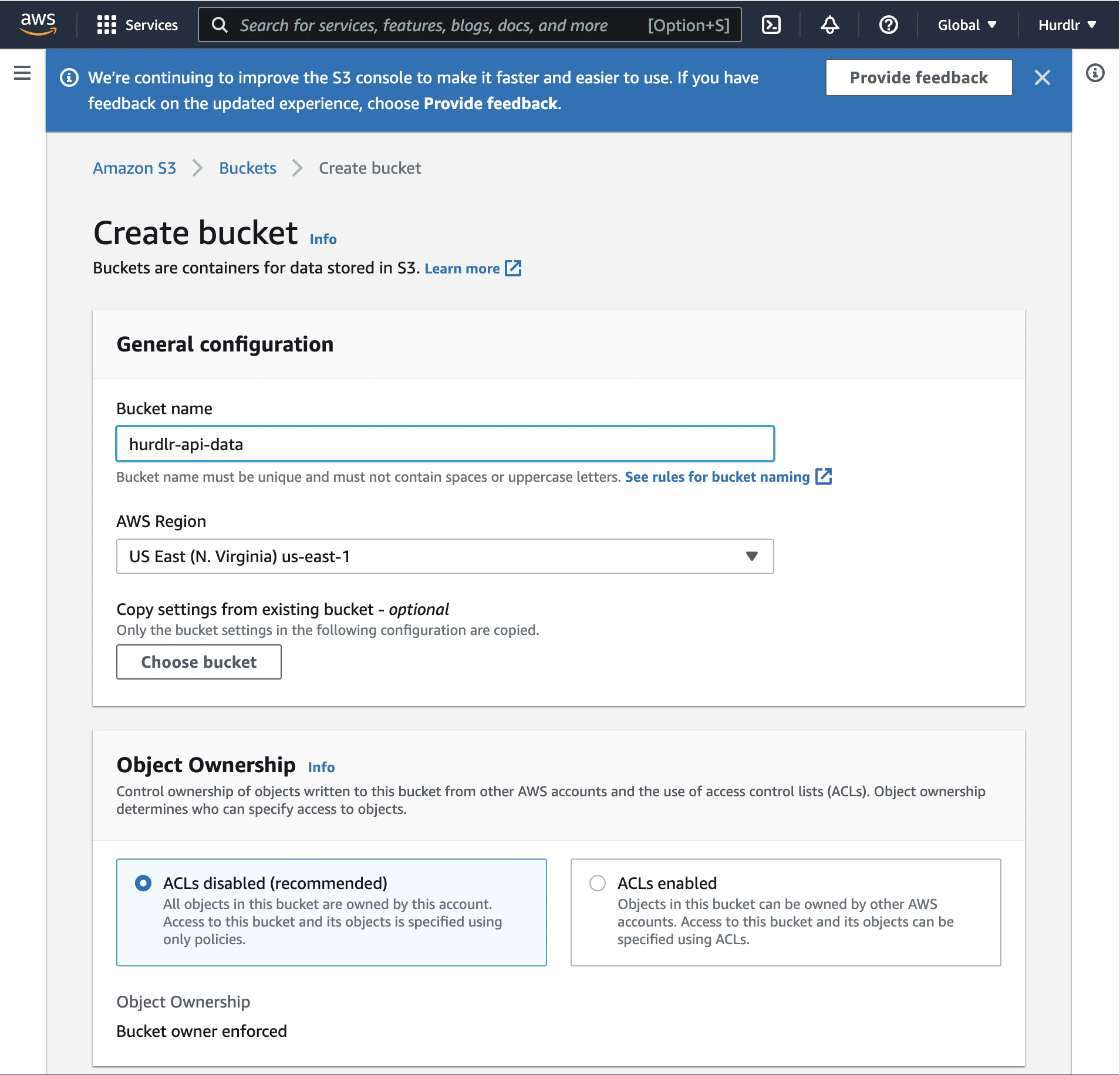
Configure IAM Policy for Programmatic Access
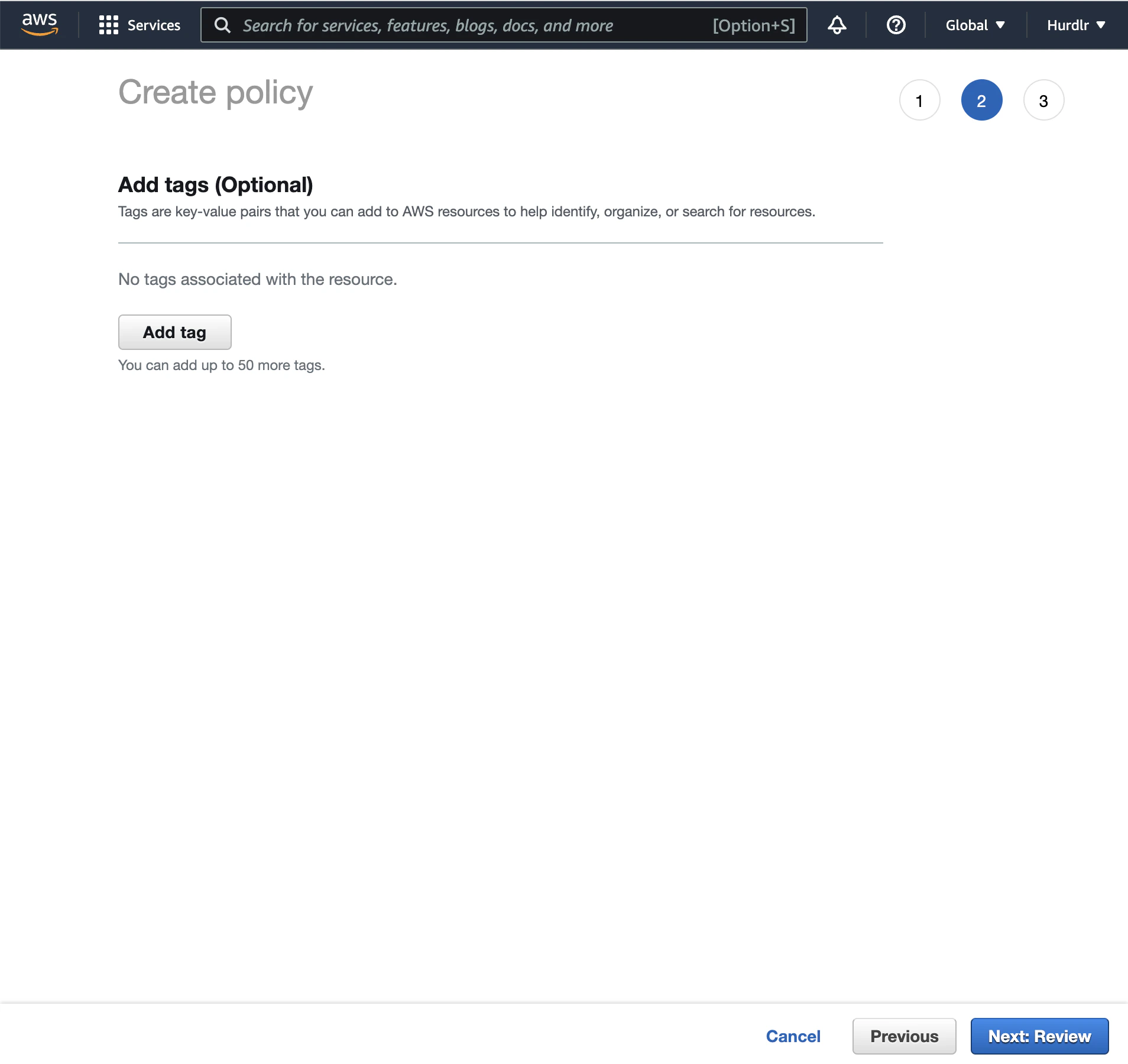
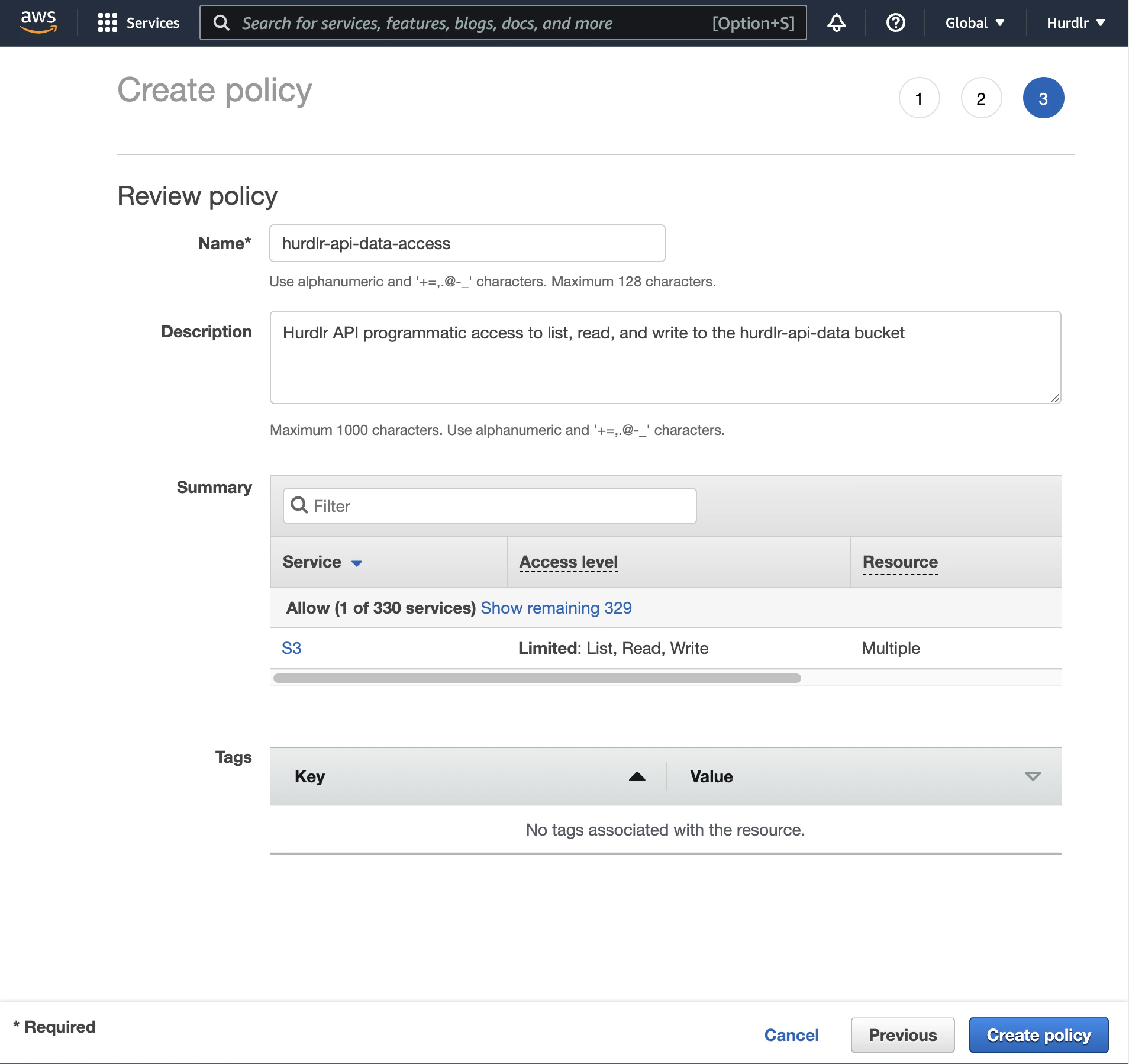
Next, create an IAM policy to grant programmatic access to your S3 bucket. In the AWS IAM Console, navigate to Policies and click “Create policy”. Select the JSON option and paste the following policy: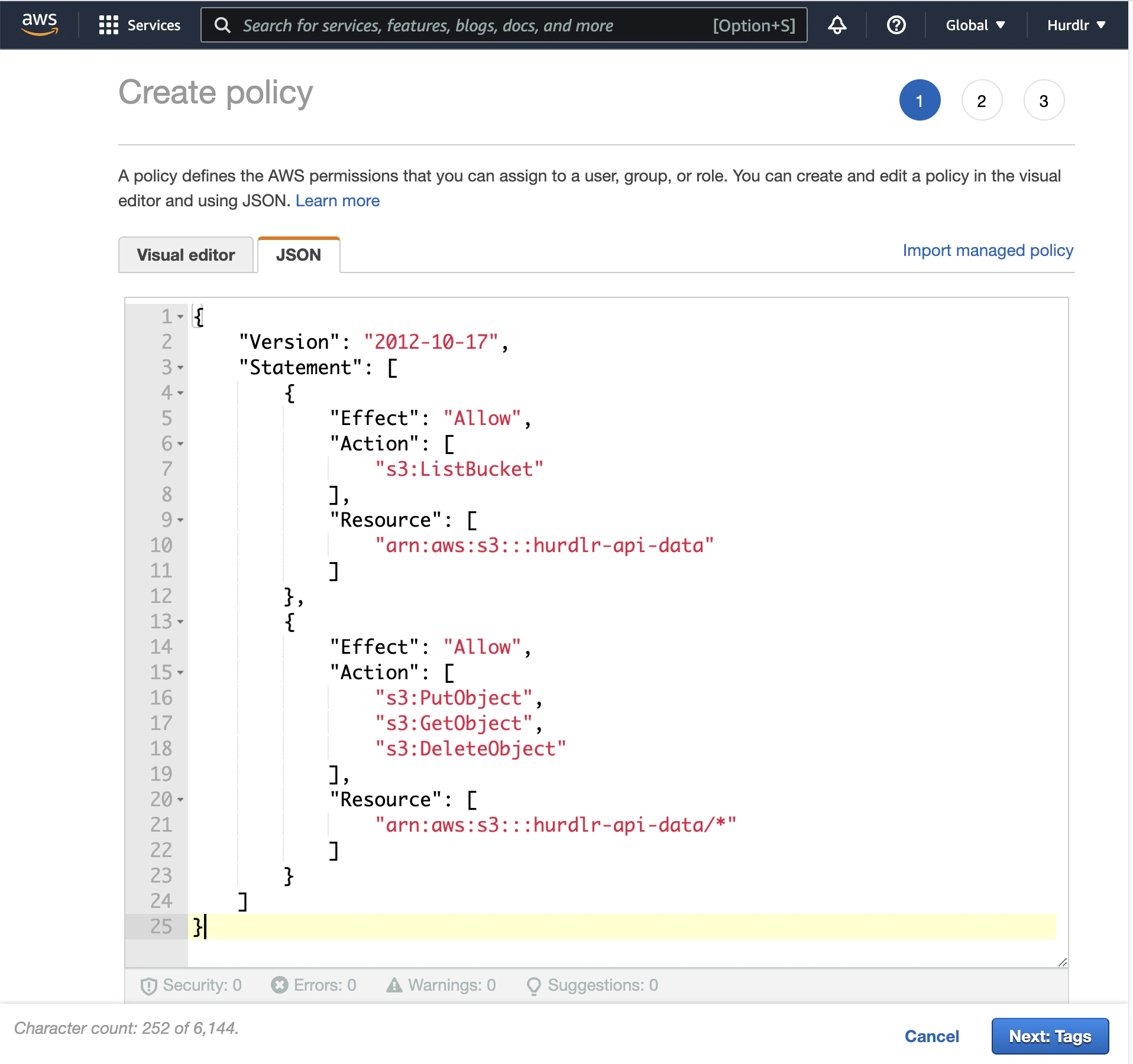
Create IAM User
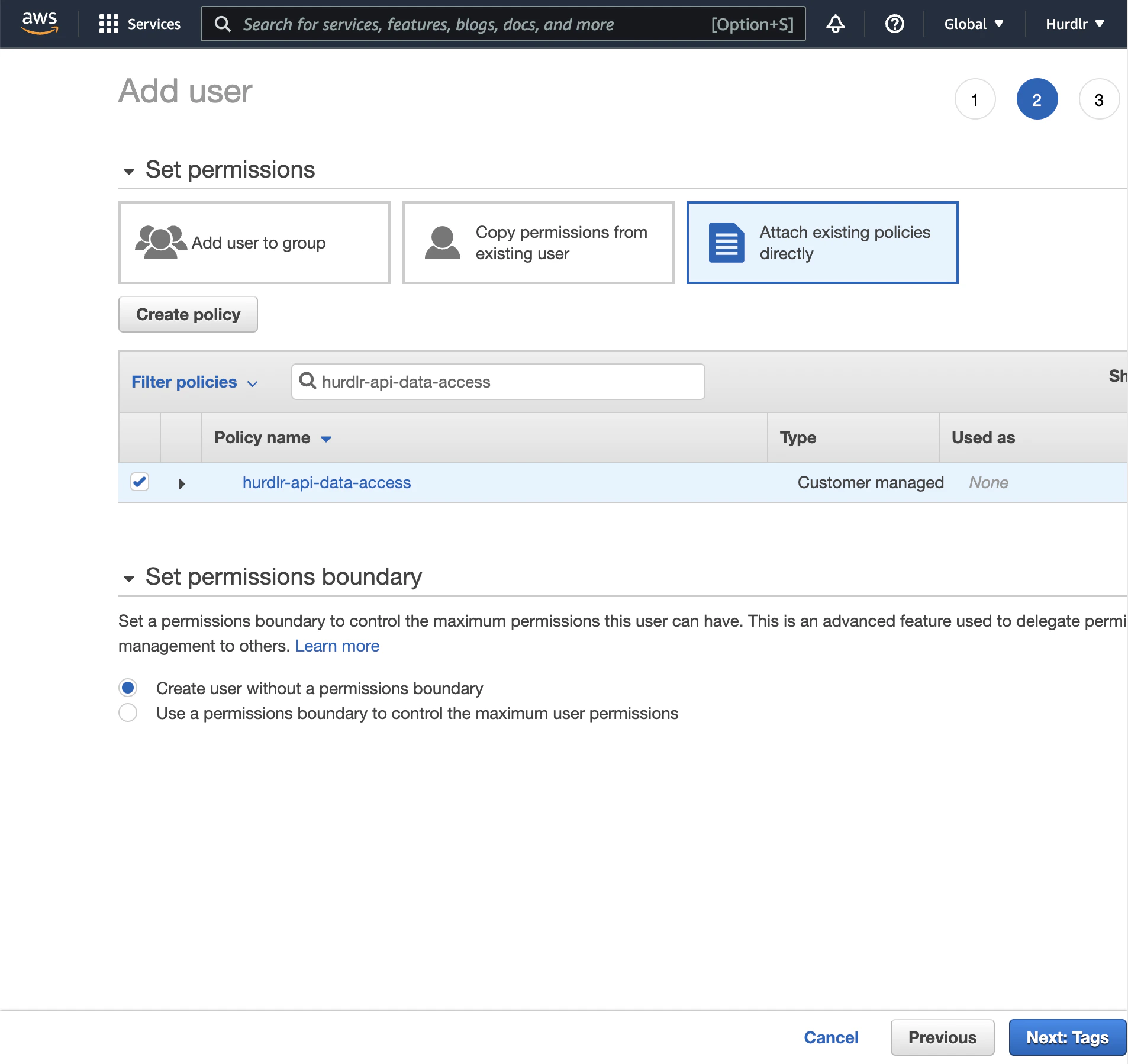
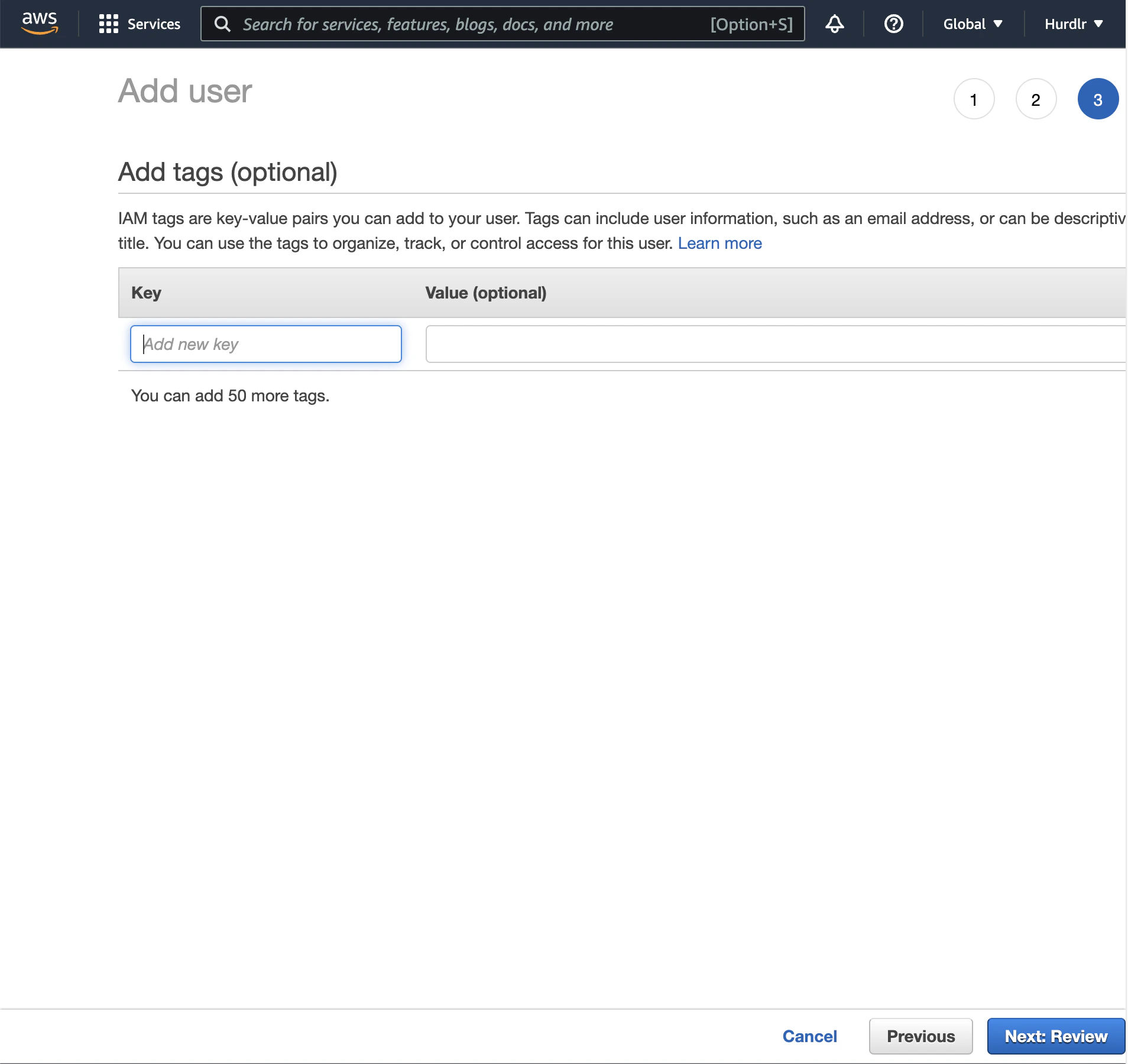
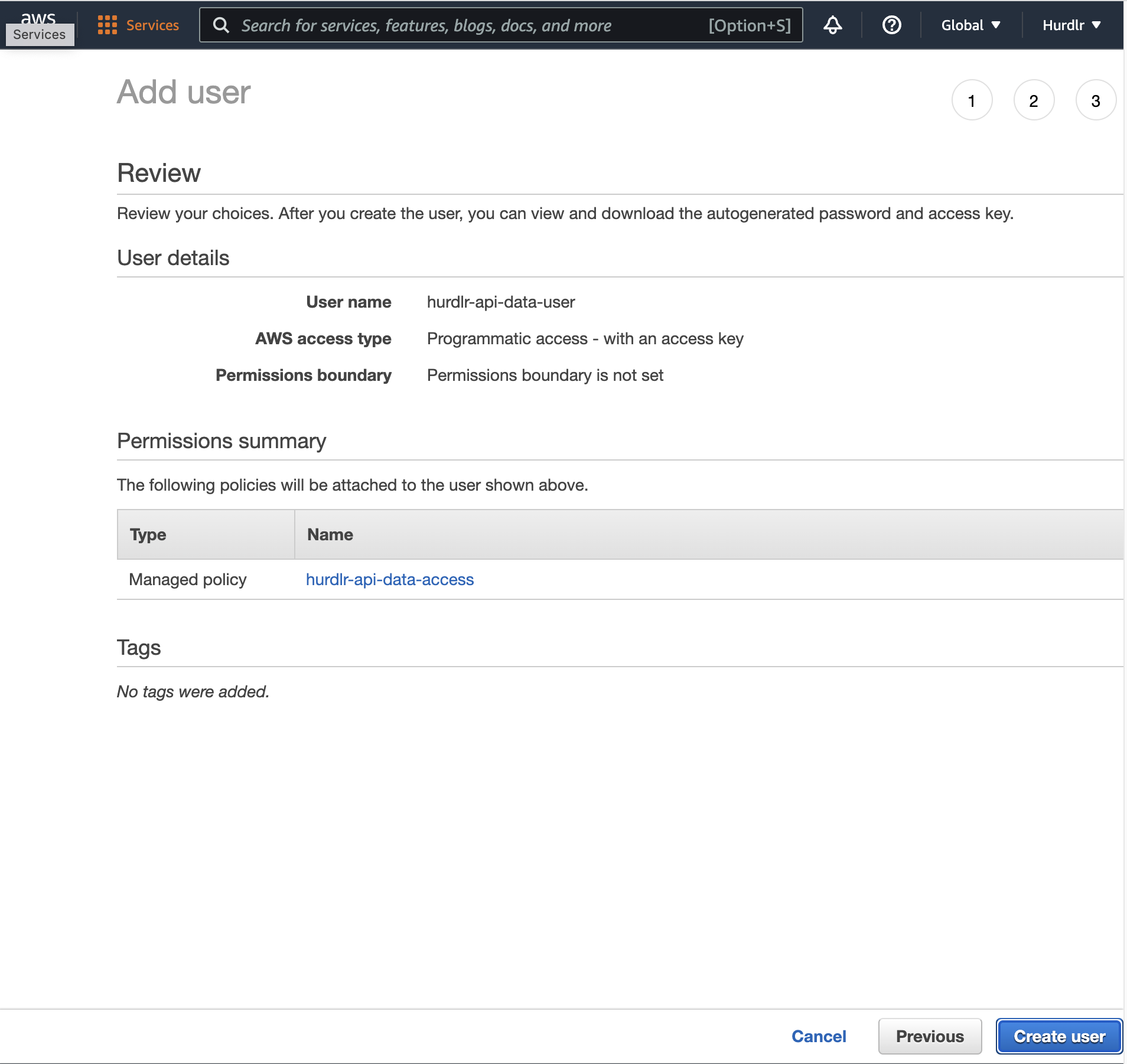
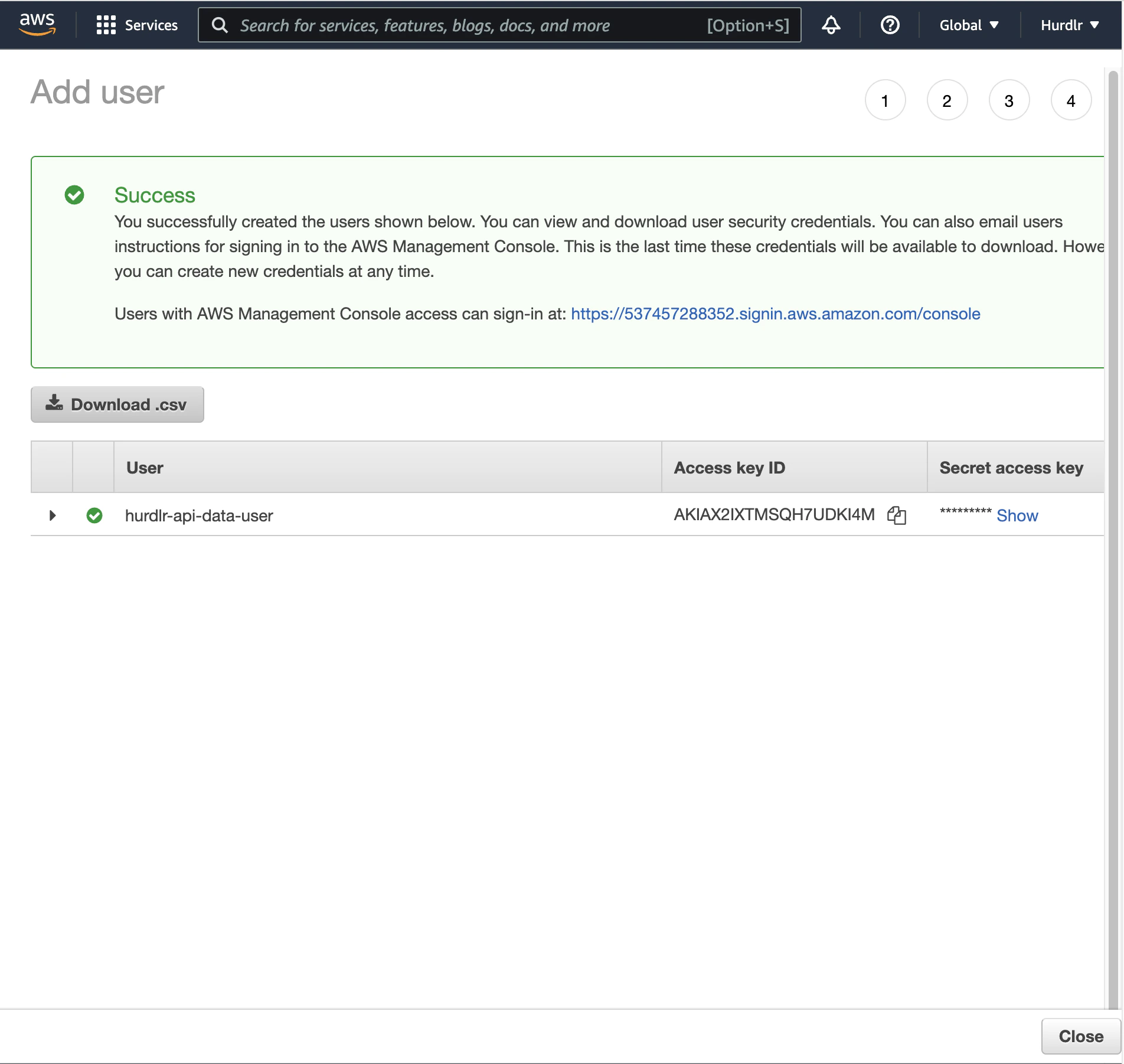
Create an IAM user that will be used by Tight to access your S3 bucket. In the AWS IAM Console, navigate to Users and click “Add user”. Provide a descriptive username like “tight-api-data-user”: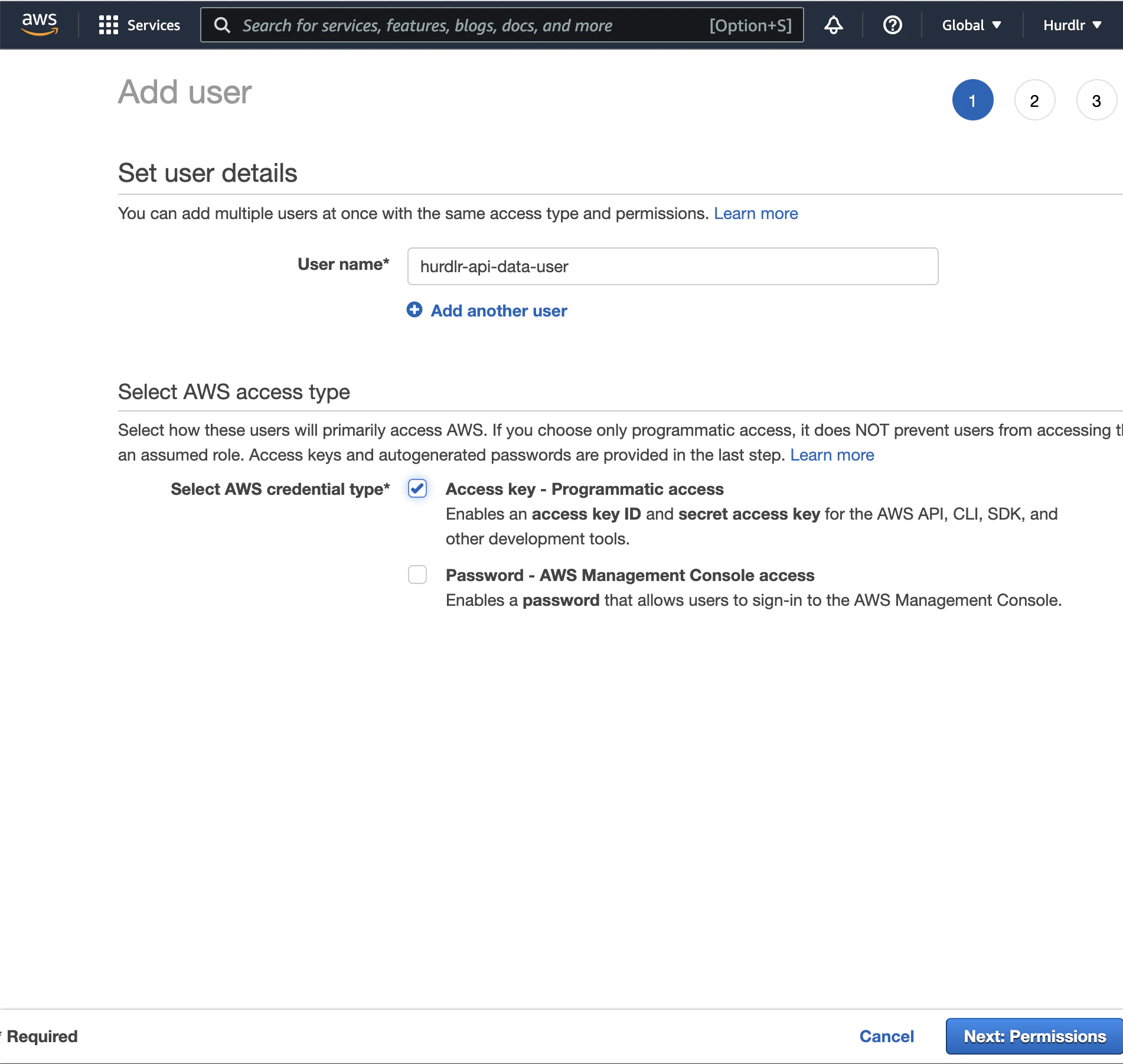
Securely Share Access with Tight
Contact Tight directly at api@tight.com for instructions on how to securely share:- The IAM credentials CSV file you downloaded
- Your S3 bucket name
- The AWS region where your bucket is located